

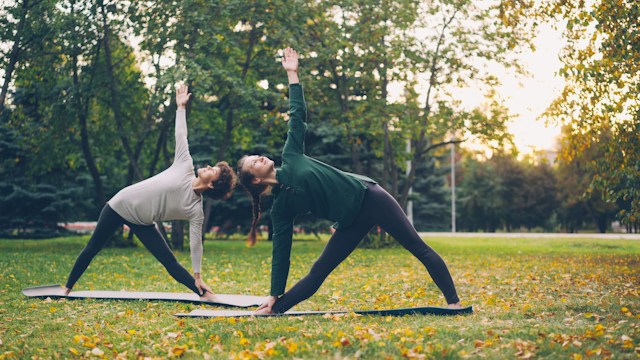
Your health is about more than what is on your plate, or how many steps you take each day. For years, the wellness conversation has centred on individual choices. Eat better. Exercise more. Sleep well. Manage stress. These things do matter, but they are only part of the picture.
Increasingly, health experts are looking beyond the individual to understand what helps people stay healthy throughout their lives. Mental wellbeing, social connection, safe communities and the conditions in which people live and work all play a role.
This broader view matters more as people live longer. Healthy ageing is not simply about adding years to life. It is also about maintaining independence, connection, purpose and quality of life as those years accumulate.
The result is a smarter question about wellness: what can individuals do to improve their health, and what can society do to make healthy lives easier to achieve?
Today, We’re Looking Beyond Diet And Exercise For Better Health
Healthy choices are easier when your daily life revolves around them. It is easier to maintain a regular walking routine when footpaths are safe, parks are nearby, and a long work commute doesn’t take up valuable time. Cooking nutritious meals becomes simpler when fresh food is both affordable and readily available nearby.
This does not mean individual choices don’t matter. They do. What you eat, how you get around and how you rest support your health. Yet these choices happen within a bigger picture, and that picture is different for everyone.
Think about the factors that can shape a normal week:
- Secure housing and reliable income
- Safe neighbourhoods and available transport
- Affordable healthcare and childcare
- Flexible work and time to rest
- Local communities set up for activities, play and connection
These conditions are called the building blocks of health. They influence stress, sleep, physical activity, diet and the chance of getting help early. When those building blocks are missing, even the most motivated person can struggle to maintain healthy routines.
Mental Wellbeing, Social Connection And Healthy Ageing Are Changing The Wellness Conversation
Stress management is a familiar wellness topic, but stress is not always solved with breathing exercises or a weekend away.
Your stress can come from insecure work, caring responsibilities, financial pressure, discrimination, or isolation. Personal coping skills can help, but supportive workplaces, fairer systems and strong communities matter too.
The World Health Organisation’s (WHO) work on healthy ageing increasingly focuses on creating social and physical environments that help older people maintain function, independence, and participation. In other words, a healthy community can be part of a healthy life.
Healthy ageing is changing the picture, too. Living longer is not simply about adding years. It is about helping people remain active, connected, independent and valued as they age.
For anyone exploring this growing field, a graduate certificate in public health online can offer a practical introduction to the skills behind prevention, health promotion and population wellbeing.
The People Behind The Prevention: Why Public Health Skills Matter In A Wellness-Obsessed World
Some of the most important health work happens long before anyone walks into a doctor’s office.
Public health professionals look at health across populations, rather than focusing only on individual patients. They investigate patterns of illness, identify risk factors, monitor emerging threats and help develop strategies designed to prevent problems before they become widespread.
Epidemiologists play an important role by studying patterns and causes of disease. Health promotion specialists look at ways to support healthier behaviours and environments. Researchers generate and evaluate evidence. Policymakers and community organisations help turn that evidence into programmes and practical action. The common thread: prevention.
These professionals might ask why one community experiences higher rates of a particular illness, whether an intervention is working, or what environmental changes could make healthier behaviour easier. That requires more than medical knowledge. It requires skills in research, statistics, communication, policy, behavioural science and understanding communities. It also requires recognising that health problems rarely have a single cause.
The WHO describes social determinants as the conditions and wider forces that shape people’s daily lives and opportunities for health. Addressing them requires action beyond the healthcare system itself. This is why public health skills matter in a wellness-obsessed world.
The future of healthy living is not simply about finding better ways to optimise ourselves. It’s also about understanding what helps people and communities thrive.
Wellness is getting smarter as our understanding of health broadens. Diet, exercise and personal habits still matter, but they sit within a much bigger picture. Mental wellbeing, social connection, healthy ageing and the environments around us all influence that picture.
The challenge ahead is not to choose between individual responsibility and public health. It’s to understand how they work together.
Because healthier people need more than good advice. They need healthy places, supportive communities and systems that give them a fair opportunity to live well.